Xeroderma: What Is It, Causes, & How To Treat It
Picture this scene for me: It’s a perfectly innocent winter afternoon. White snow covers the grass and trees like nature just redecorated for the holidays. The temperature is a crisp 14℉ (or -10℃), and there is a light breeze- not enough to knock you over, but definitely enough to make you question “Why am I outside in this weather?”. You head out for your daily walk, determined to hit that magical 10K step goal. But then you get home, glance in the mirror, and- plot twist. Your skin looks dry, dehydrated, and flaky, as if it aged ten years during that one walk. You touch your face and think, When did I turn into a croissant?
Sound familiar? If so, I’m very glad you stumbled upon this article. I’m here to explain why winter does this to our skin and share plenty of tips to keep it happy, and keep the “glass skin effect” all year long.
The scientific name for “veryyyyyyy dry and flaky skin” is Xeroderma. It occurs due to many reasons, but the main one is due to lack of moisturization and with a damaged lipid layer, or a skin barrier. Lipid layer protects your skin from the cold weather, by producing fats like ceramides, cholesterol, and fatty acids that lock the moisture in your skin. In some way it is like a shield. The skin cells are held together by lipids, and the integrity of this structure is vital for maintaining healthy skin. A healthy lipid layer prevents irritation, and provides environmental protection (in this case from the cold). When the lipid layer of the skin is distorted, you can notice several after effects. One of the most common ones are dryness and flakiness. Since, the skin will have a hard time retaining moisture, and keeping balance, resulting in excessive dryness. Another popular side effect is irritation and redness, because your skin will be very sensitive to any environmental change, and there is nothing to protect it from the outside world. Last, but not least is an increased amount of breakouts and infections. A weakened barrier makes it easier for bacteria to infect your skin, which eventually leads to acne.
In order to avoid a broken lipid layer, you have to be careful with the skin care and make up products that you are using. Watch out for products with a high content of alcohol and harsh chemicals ( like sulfates, parabens, phthalates, synthetic fragrances), because they can and will worsen the situation. Another common procedure that many people do at home to get rid of blackheads is exfoliating. There is nothing wrong with doing it, but over-exfoliating can strip away not only the dead skin cells, but also the skin barrier. This will lead to dryness and increased sensitivity. The best way to do it, is to choose a gentle exfoliant with chemicals like:
PHAs (Polyhydroxy Acids)
AHAs (Alpha Hydroxy Acids), like lactic, mandelic, and centric acids
BHAs (Beta Hydroxy Acids)
One more reason that many people tend to ignore is lack of sleep due to excessive stress. A key concept to understand is that your skin regenerates best overnight. So, when you stay late at night doing your homework, or watching a movie, your skin cannot fully restore the lipid layer.
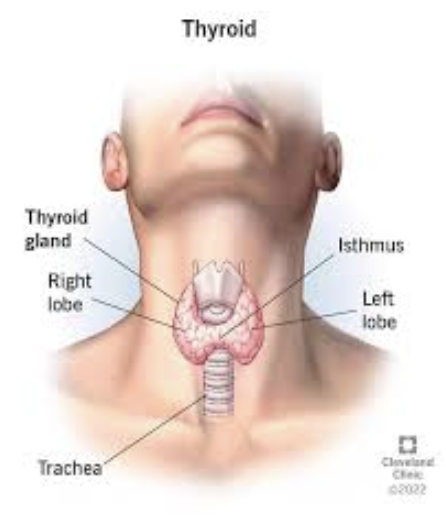
Beside a broken lipid layer, there are also reasons for Xeroderma within your body. Thyroid glands control your body’s metabolism, energy use, growth, digestive system, and contribute to the health of your skin, hair, and nails. Having issues with thyroid glands, especially hypothyroidism, which is underactive thyroid, will lead to dry skin by reducing sweat (eccrine) and sebum production, which will deprive the skin of moisture and lubrication. Troubles with thyroid glands also lead to a build up of hyaluronic acid and other substances. This is called Myxedema. Excessive amount of build up in the dermis thickens the skin, giving it a puffy feel, which contributes to dryness.
Some less known factors are when your body either has too much or too little zinc. Zinc is an essential mineral that plays an important role in maintaining and repairing the skin barrier. When zinc levels are too low, the skin may struggle to repair damaged cells and maintain its protective barrier, which can contribute to dryness, irritation, and slower wound healing. Zinc is also involved in controlling inflammation, meaning that a deficiency can make the skin more vulnerable to irritation. However, more zinc does not necessarily mean better skin. Excessive zinc intake, especially from supplements, can interfere with the absorption of other important minerals such as copper, potentially creating additional problems in the body. So, just like with many things in skincare and health, balance is key.
Now that we know why Xeroderma happens, the big question is: How do we prevent ourselves from turning into that winter croissant? The answer is surprisingly simple. Focus on protecting your skin barrier rather than constantly trying to “fix” your skin. Use a gentle cleanser, avoid extremely hot showers, moisturize regularly with products containing ingredients such as ceramides, glycerin, or hyaluronic acid, and do not forget sunscreen—even during winter. Snow can reflect UV radiation, meaning that your skin is not completely safe from the sun just because it is freezing outside.
Most importantly, pay attention to what your skin is trying to tell you. Dryness does not always mean you need another ten-step skincare routine or the newest product trending on TikTok. Sometimes, your skin simply needs moisture, protection, enough sleep, and a little time to rebuild its barrier. And if your dryness is severe, persistent, or accompanied by other symptoms, it may be worth talking to a dermatologist or doctor, since Xeroderma can sometimes be connected to conditions happening inside the body.
So, the next time you come home from your innocent winter walk and your face feels like it has personally fought the Arctic wind, don't panic. Your skin probably hasn't aged ten years—it is just asking for a little extra protection. Take care of your lipid barrier, keep your skin moisturized, and hopefully, the only croissant in your winter routine will be the one on your breakfast plate. If you have any questions, or issues with the website, email here: caspian.glow25@gmail.com.
